Greetings from my farm.
I like to share my gratitude to every agricultural stakeholders out there, for making my kitchen active and keeping my family healthy even during the middle of a pandemic. As nations across the globe have come up with individual methods to combat the spread of the novel coronavirus, our strong agricultural sector made the country self-sufficient and ensure food security during this tough time.

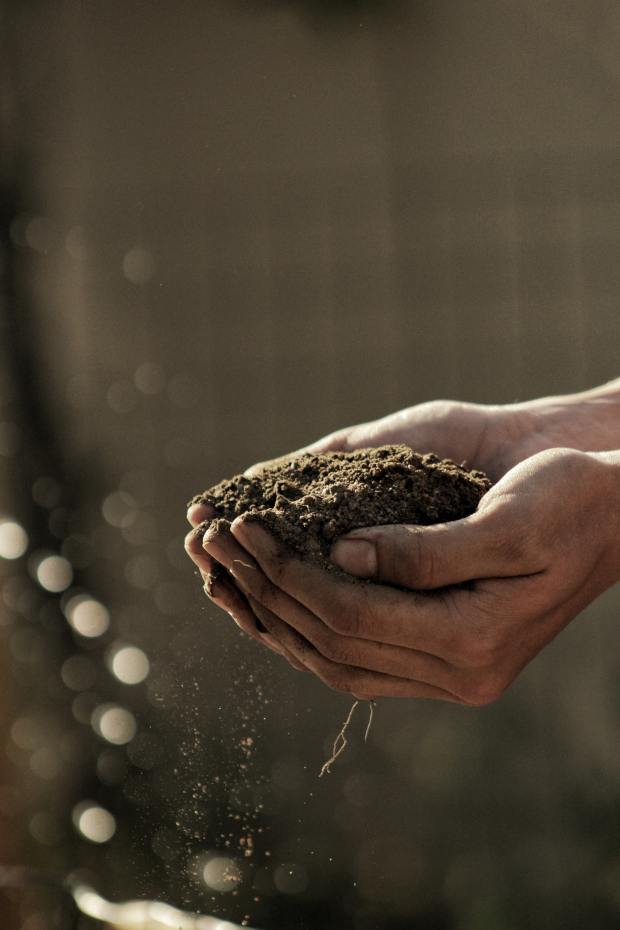
India is an agrarian country with almost around 70% of its people depending directly or indirectly upon the agriculture sector. Being a sensible citizen, we are proud for celebrating National Farmers Day on December 23, across the country to praise the farmers as they are the spine of India. Farmers’ Day is celebrated on the birthday of the 5th Prime Minister of India, Mr. Chaudhary Charan Singh, called ‘Champion of India’s Peasants’, who introduced many policies to help and guide the Indian farmers. The day is remembered and celebrated with several debates, seminars, and workshops discussing farming practices in India.
Data speaks.
Apart from the celebration and debate aspect, what we can do to continue the welfare of farmers. This raises a serious question. Studying the data for all suicides, we note that at least around 10,281 persons involved in the agricultural sector ended their lives in 2019, accounting for about 7.4 percent of the total number of suicides in India which was 139,516 in figures, suggests the Accidental Deaths and Suicides in India report 2019 by the National Crime Records Bureau (NCRB).
We must take these numbers seriously and it reflects around an average of 12,000-13,000 farmers commit suicide every year, and in certain years it reported up to 15,000 suicides. The report defines farmers or cultivators as people who are farming either on their land property or on leased land, with or without the direct help of agricultural laborers. Situations are progressing slowly, farmer suicide rates have decreased steadily over the last two decades, but still, the rate is very high in certain states with more than a five-fold increase. All this above data is also likely to be underestimates of India’s suicide problem. Suicide related data is collected by state police forces and then these figures compiled by NCRB. This process is prone to under-reporting many errors, according to researchers.
Need an opinion on this.
The unorganized functioning of loan systems left millions of Indian farmers in crushing debt with no way out—besides the only option of suicide, which has been a persistent issue in modern India over the past few decades. We have to discuss on this, more than half of Indians work on their farms, but the agricultural sector accounts for barely a sixth of the country’s ration in GDP. The declining productivity issues, unfeasible loan repayment policies, and a lack of modernization have shrunk farmer incomes and hobbled the agriculture sector in India for decades. This is a national catastrophe.
We examined the implementation of revival policies, fertilizer subsidies, relief plans, exempts the farmers from income tax, coverage with crop insurance, guarantees a minimum support price for 23 existing crops, and regularly waives debts. None of this implementation seems to have helped the Indian farming system in the long run or keeping them much as low incomes and debt continues to drive many of the farmers to poverty. This haunts the modern farmers now: Will they reap a good economic harvest in our country? How can we overcome these core issues?
Gap between the Present and Future.
Based on the reports, Indian agriculture was the only sector to grow for April-June 2020 quarter among the eight sectors used to compute India’s Gross Domestic Product (GDP). The analyst’s expected it opposite because of the novel coronavirus disease (COVID-19) pandemic and the near cessation of the economic activities. However, what comes as a silver lining is the extraordinary show of the agriculture sector.
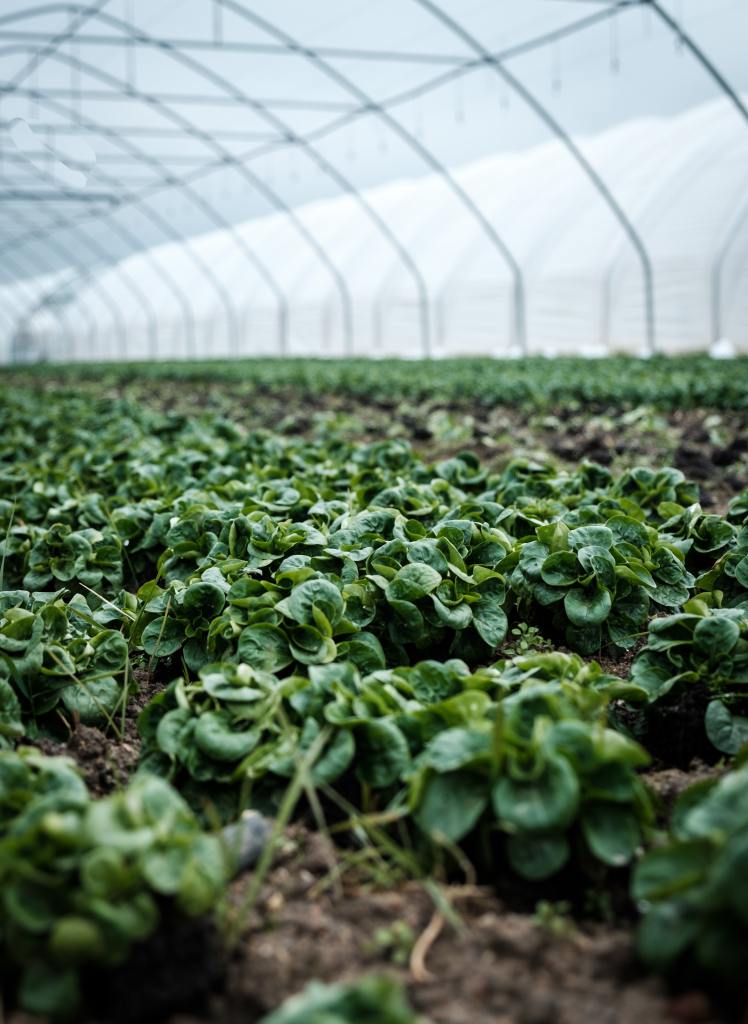

The latest report on April-June 2020 quarter shows the courage, determination, and passion of farmers in our country. Even so, the latest GDP figure for agriculture is very promising, given the disruption in the supply chains, logistic storage, and the subsequent impact on the income of farmers during the same time. But it gave a clear warning as well, which has been a nagging problem for many of the farmers in recent years, the challenge of managing the supply gluts, lack of government-funded storage facilities, particularly in the cereals category. Even though the GDP share is rising in the agricultural sector, the farmers have not been earning a fair price package for their products even though the food inflation has been high, or the domestic consumers have been paying more for agricultural produce. We have to talk about this gap, the narrow base of profit between the two choices of production and supply.
Present moment. Future aspirations.
Agriculture supports about 60% of the overall employment, but this contributes only 17% to the Indian GDP. Every day, there are reports of Indian farmer suicides from different parts of the country and struggling over the living standards of farmers. The reason for the 80% of farmer suicides, it’s not because of moneylenders only, but the majority from banks and registered micro-finance institutions (NBFC) that have emerged as the prime reason behind India’s farmer-suicides narrative. This is why microfinance is an ugly word in India’s villages. There are several rallies are being organized, mostly by women members, and representations are being submitted to respective district collectors against the microfinance institutions (MFIs), and banks alleging coercive recovery practices.
Our agricultural sector needs more balanced reforms and aspirations, it will help speed up the agricultural growth through the private cum public sector investment collaborations in building agriculture infrastructure, high yielding crop development, government price assurances, fertilizer subsidies, smart financing practices, and supply chains for utilizing the Indian farm produce in national and global markets. These reforms create more organized employment opportunities, widen the supply market, and strengthen the economy. Ensure to draft policies that will open more choices for the farmer, reduce marketing costs for the farmers, and help them in getting better prices for the farm produces through a Minimum Support Price (MSP). It will also help farmers of regions with more surplus produce to get support base prices for their yields and consumers of regions with shortages, or lower prices.

Stew Point.
Our stew point is all about supporting systematic plans, workable solutions, and organized implementation of plans into the agricultural sector. Yes, we can overcome this dark phase-only through better planning in the agricultural reformation policies, collecting reports from market researchers, organize registered forums for farmers, form government committee to study the issues of farmers, accommodate healthy private-public collaboration, align electronic national agriculture market (eNAM) digital platforms, create better Agri-tech collaborations through government subsidies, reformed loan approval or settlement policies, draft separate policy on NBFCs, MFIs, and banks on farmer loans, establish smart microfinance system, and draft better farm laws to safeguard the spine of India.
The principles of smart microfinance practices are globally recognized as the basis of safe and structured microfinance. They build a firm foundation, lasting relationships with farmer clients, increase client retention level, and reduce financial risk to both the stakeholders. When they deliver respectful, transparent, and prudent financial services, these financial institutions ensure that their entire clients use financial services well and build a firm foundation for healthy operation for years to come in the agriculture story.
We need more revival policies rather than reformation policies. Remember, the parliamentary and lawmaking government bodies to consider the collective opinion of agriculturists, bureaucratic bodies, tech experts, financial regulators, and registered unions representing the farmers across the country.
Identify the narrow base between the two choices of certainty and suicide. We can achieve this base through fulfilling the smart agriculture system and systematic revival packages from the government. Awareness will be the new baseline to farmers, which widen the hope and security.
We often struggle to bring up healthy thoughts with those we love, even when we know someone might struggle, or we’re struggling ourselves. We wholeheartedly acknowledge that the dark realities of suicide loss are often less than positive, and it may be more difficult or take some time to find a hopeful message. We’d like our reader to take a minute to test if our story can provide thoughts and direction to those who have in power to decide the fate of one who is on the brim of suicide.
Learn from the past mistakes. Let us hope for a brighter future in green.
 Thoughtstew
Leave a comment