Greetings for the day. Shalom!
We are glad to share some thoughtful content, especially when it relates to food habits, practices, and characteristic style of preparing food based on the origin. To eat healthily is a necessity, but to eat wisely is an art. We like to connect certain thoughts based on our farming models, food consumption patterns, and eating lifestyles.
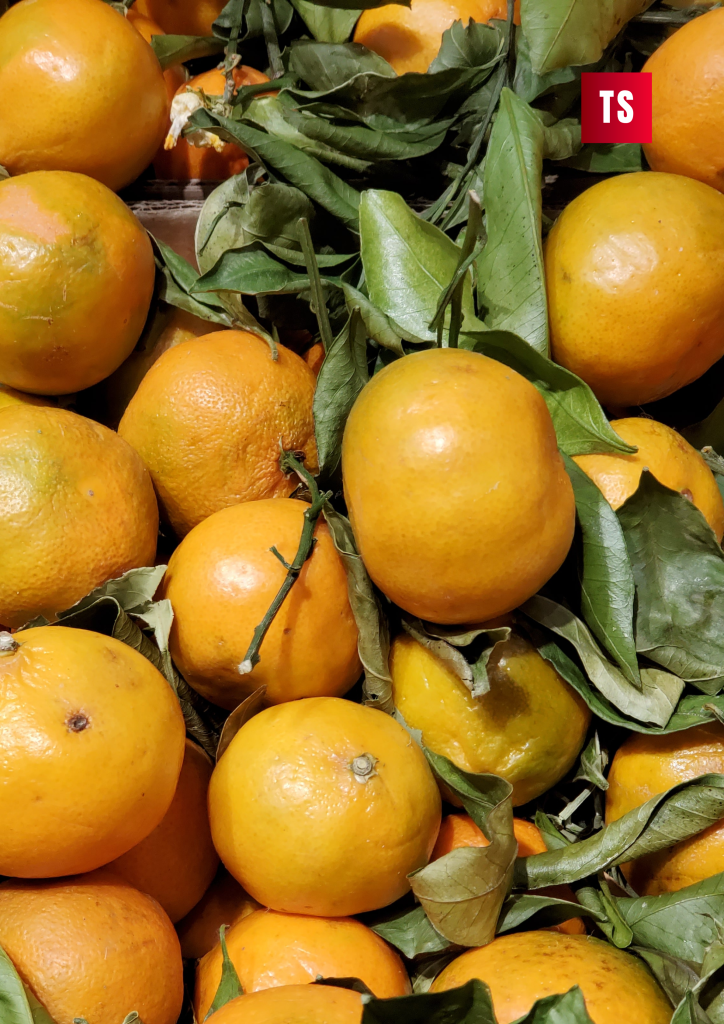
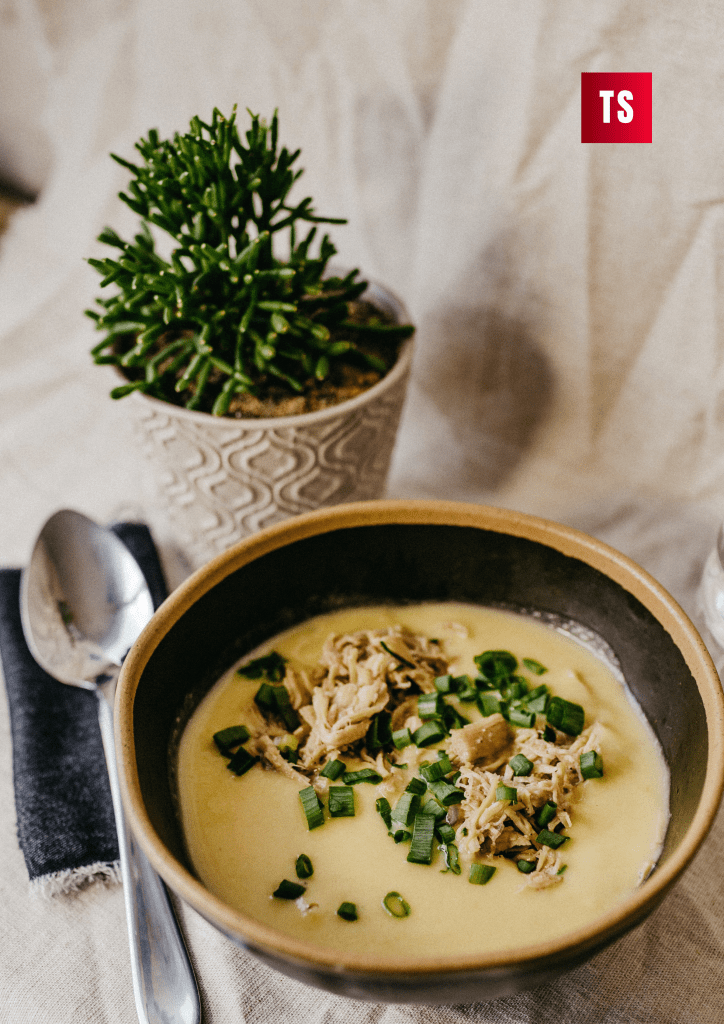
Our generation is very grateful to forefathers for their transfer of rich knowledge of cultures and cuisines, this accounts for an 8000-year history of various multi-ethnic cultures, organic farming practices, and traditional recipes, known for being diverse, healthy, and medicinal with ease of preparation or consumption. The quality of our cuisines increase by its focus on cooking time and consumption time. India is rich in its diverse agricultural products, seasonal farming practices, and many healthy animal byproducts across the country. The importance of spices, green herbs, and masalas have connected with our traditions, cultures, and taste lines, like with the cloves, pepper, saffron, coriander, and cardamom.
In our Indian dietary classification, a food classification system that categorized as Saatvic, Raajsic and Taamsic developed in the Ayurveda.
Around early times, agriculture spread from the ‘Fertile Crescent’ (this is a crescent-shaped region in the portion of the Middle East, spanning modern-day countries such as Iraq, Lebanon, Syria, Palestine, Israel, Jordan, Egypt, together with the southeastern region of the countries like Turkey and the western fringes of Iran region) to the Indus valley civilization, where the wheat, millet, emmer, and barley grew, also the use of domesticated cattle in the local farming communities.
How can we revive our dietary wisdom through an organic way of living?
In this context, the food habits in India and the respective consumption patterns have moved towards vegetarianism because of the influence of homegrown religions, cultures, and rituals. From the historic timelines, to Jews, Zoroastrians, Muslims, and the Christian communities thrived in many parts of the country. This became well-established with the influences of new farming crops and cultural contributions, it reflects on the cooking pattern significantly with the use of meat and fish included in many of the Indian cuisines.
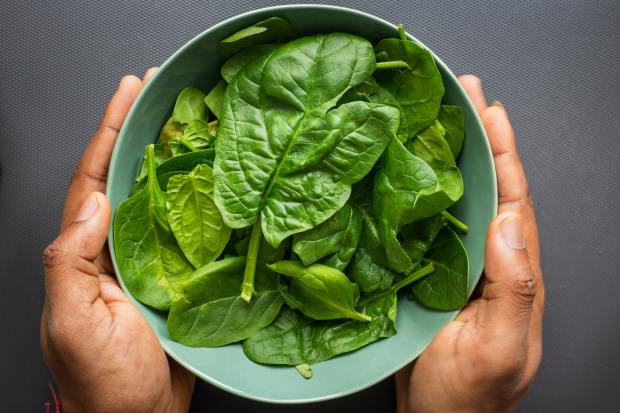
On the other side, the weather patterns vary across the entire country and it completely makes the cultivation categories based on seasonal farming practices. The key difference is visible in the cultivation of cereals and crops based on summer, winter, and rainy calendars. The northern part prefers to grow wheat over rice, and the southern part prefers rice over the wheat in the dietary addition. They also balance the dishes with green herbs and vegetables, but the consumption quantity of greens is different in the north and western regions.
How we merit from our habits?
First and important habit, allow the food to melt in your mouth, observe the textures, enjoy its aroma and flavors. The significance of food, in terms of how much time we spare to taste, smell, observe and touch makes it into soulful fulfillment, both to body and spirit. Always offer invisible gratitude to the farmers who cultivated and make yourself understand the different stages involved in the journey towards your table.
The classification of different food options and the time intervals are a very essential part of our cuisine development. So underrated idea it is, at least in some ways we can connect our families to preserve the richness and goodness of organic cooking with sustainable food. We can create more similar practices in our kitchen every day, but with dedication, passion, and satisfaction. Now, we have to promote new restaurants and cafes which follow the sustainable business approaches, which helps to promote more traditional cuisines, create more micro producers, promote nutritious diets, and this helps to recreate our lost cultures around a healthy lifestyle on food. Always try to understand the farm-to-table sources and recipes before consuming any food. Give time to learn more about the organic farming practices, and add healthy options in our diet, especially with the rich or nutritious choices.
How can be a chef at heart?
Be a conscious chef at heart. Allow the cuisine to feed our senses. In any cuisine, we have to consider the great importance of color, smell, and taste. In India, a chef always considers the importance of spices and herbs in the right proportion to satisfy the smell, color, and texture of our main courses. Use your productive time to grab any cuisines, because health comes with the package of organic diets and organized habits.
Enjoy the layers of ingredients by heart. Appreciate the different cooking experiences and innovations in the food space. Our culture grew to welcome new cuisines, new recipes, and different food staples from any part of the world, also adapt it to fresh forms and multi cooking styles. We understand the importance of quality in what we make and create more interests in our daily food practices.
All the living creatures are the exact reflection of what they consume and digest in their bodies. We build our healthy body with food and water, the ultimate source of our energy.
So accept the cuisines in our table and follow the bliss, we are what we eat and practice.
Written by Sujith Thomas Philip
 Thoughtstew
Leave a comment